
The Future of Branded Residences
A branded residence is not an apartment with a logo.
It is a promise that someone else has already made the decisions you would rather not make.
That is what the premium buys.
Branded residences win on operations and taste, not on the label. The brand only holds value as long as the service behind it does.
Developers treat the brand as a marketing layer bolted on late. Buyers experience it as daily service. When those two versions meet, the premium either survives or evaporates.
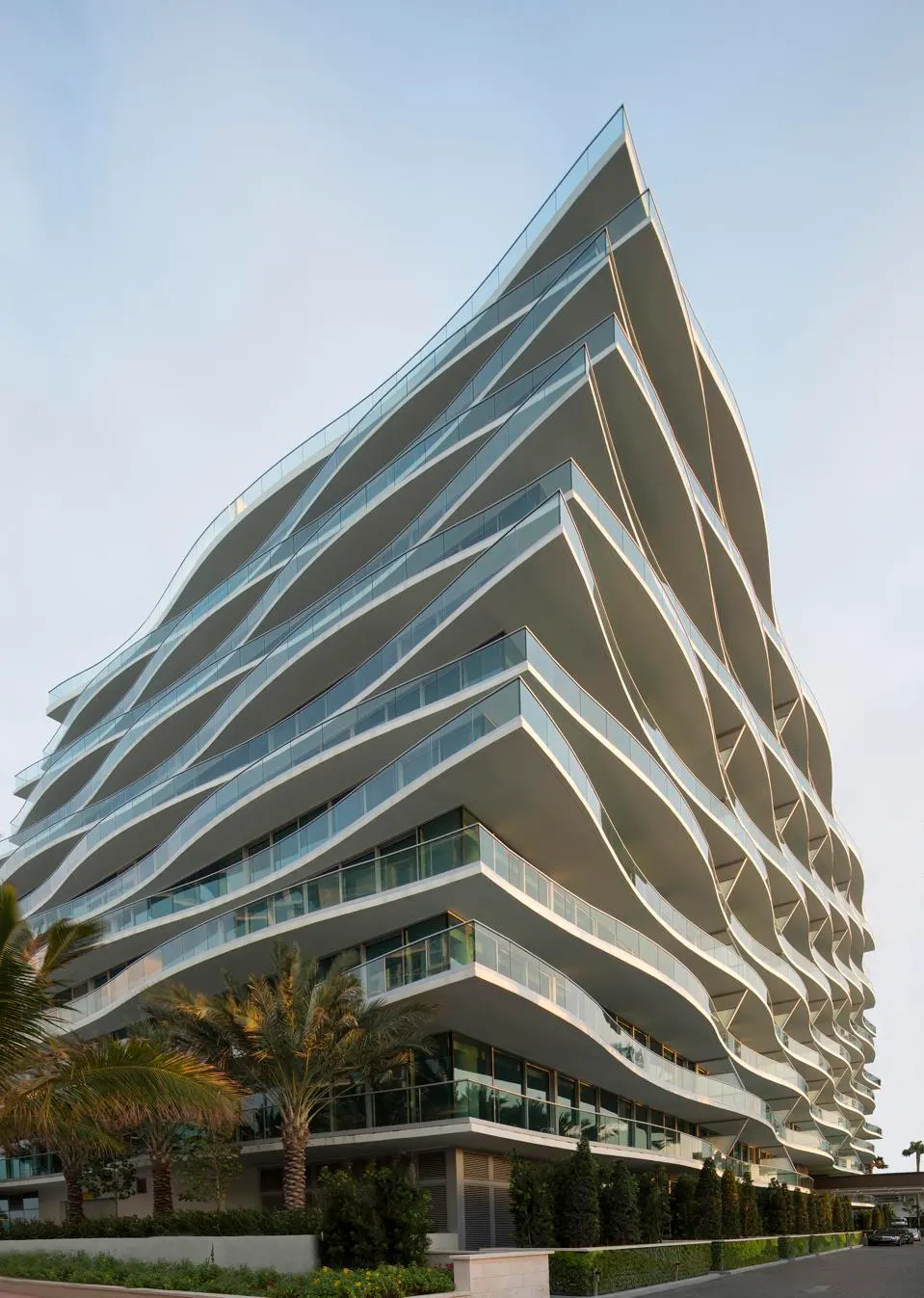
Fendi Chateau Residences in Miami Beach is the clearest example of the model done properly: a fashion house moving from product into permanent architecture, with the interior language, the arrival and the service standard treated as one design decision. Miami became the proving ground for the category — first fashion, then hotels, then automotive. Globally the pipeline keeps growing, and the premium over comparable stock sits consistently in double digits.
The next decade separates brands that operate from brands that license. A name is not a moat. The lobby, the door, the staff and the ground floor are the moat. If the brand cannot show up every morning, it should not be on the building.
Sign the operator before the floorplan is frozen. Write the service standard into the design brief. And be honest about the exit: a brand can leave, the building cannot.
The label sells the first apartment. The operation sells every one after that.